
Table of Contents
- How fiber helps hemorrhoids
- Why psyllium
- Psyllium husk for constipation
- Psyllium for hemorrhoids
- Psyllium husk for loose stools and diarrhea
- Psyllium husk for IBS C
- What psyllium does to your stool
- Can psyllium husk cause bowel obstruction
- Psyllium husk vs methylcellulose
- What fiber can't do
- Sources
- About Venalys
Fiber helps hemorrhoids by making stools softer and easier to pass, so you strain less and the swollen tissue gets a break, and US surgeons list it as the first step for most people. A high fiber diet for hemorrhoids works best with plenty of water, and a supplement like psyllium can help fill the gap.
Maybe your doctor already told you to eat more fiber. You bought a tub of powder, took a big scoop, and spent the afternoon bloated. Or it helped for a while, and the flares still came back. Here's the thing. Fiber was the right call. It just works better when you start low, go slow and drink enough water.
Everyone has hemorrhoidal cushions, soft pads of vessels and collagen inside the opening. Harvard Health explains that the tissue holding them in place can weaken with age, so they slide down and bulge. Every hard morning pushes the cushions down a little more. Fiber helps take those hard mornings away.
How fiber helps hemorrhoids
The evidence here is solid. The current guideline from the American Society of Colon and Rectal Surgeons found that fiber cuts persistent hemorrhoid symptoms by 53%, as summarized in American Family Physician. That's why it's the first thing doctors suggest.
A review in the Cleveland Clinic Journal of Medicine strongly recommends fiber supplements and names psyllium husk as a good way to fill the gap your diet leaves. Most of us don't get enough from food. A supplement makes it the same every day, salad or no salad.
Why psyllium
Psyllium husk comes from the seeds of a plant called Plantago ovata. In water it forms a soft gel. That gel holds water inside your stool, so it stays soft all the way out. Gastroenterologist Dr. Joseph Salhab says in a short video that soluble fiber "absorbs water, really softens your stool, really lubricates it well."
That's the point. You're not trying to make stool bigger. You're trying to make it soft. A bigger, drier stool still scrapes past sore tissue. A soft one slides.
Psyllium husk for constipation
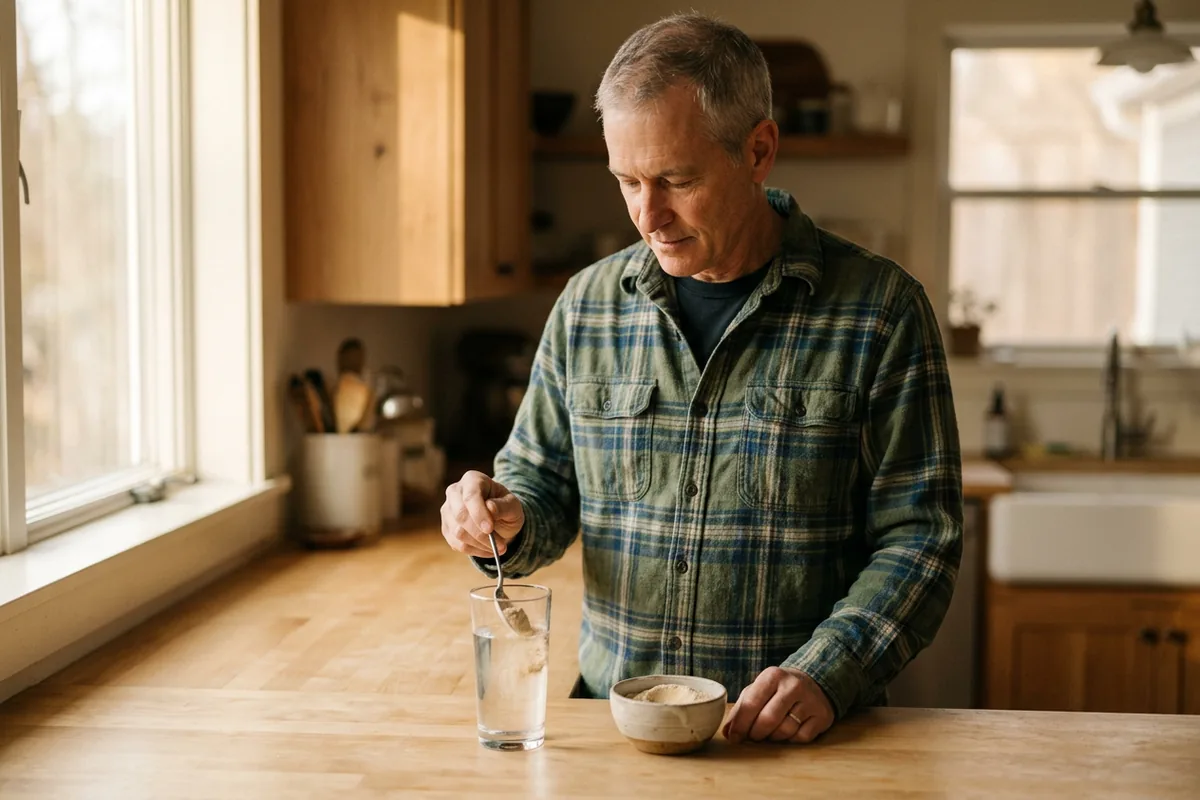
Psyllium is a fiber doctors often suggest for constipation. Its gel pulls water into the stool, softens it and helps it move along at a steady pace. It can take a little while for your gut to settle into a new rhythm. The key is consistency and water. Take it every day, not just when you're stuck. If constipation is new, severe or comes with belly pain or blood, see your doctor before you start.
How to use psyllium husk for constipation
Start smaller than the label says. Dr. Albert Chung, a proctologist who runs a patient channel, says in a video on fiber that it should be taken "from very very small amounts" and raised slowly, a little at a time. Mix it in a full glass of water and drink it right away, before it thickens. Keep drinking water through the day. The goal is a stool that comes out easily, without pushing.
Can psyllium husk constipate you
It can, mostly in two ways. You take a big dose on day one, or you don't drink enough water with it. Then the fiber has nothing to hold, and the stool gets firmer. Dr. Chung puts it plainly in the same video: "the amount of fiber you need is different from person to person." More isn't always better. Gas, bloating and cramps mean slow down, not push harder.
Psyllium for hemorrhoids
For hemorrhoids, psyllium matters for one reason: softer stool. Soft stool means less straining, less pressure and less scraping on swollen tissue. That's why fiber is in surgeons' guidelines. It won't make a hemorrhoid go away in a day, but it takes daily pressure off the area, morning after morning.
Psyllium husk for loose stools and diarrhea
Psyllium husk for diarrhea
It sounds odd, but the same fiber that softens hard stool also firms up watery stool. The gel soaks up extra water and gives the stool some shape. That matters for hemorrhoids too, because frequent loose stools irritate the area just like hard ones do. Start low, as with constipation. If diarrhea lasts more than a few days, or comes with fever or blood, call your doctor.
Psyllium husk and loose stool
Some people get looser stools when they first start psyllium, usually from too big a first dose. Your gut needs time to adjust. Cut back to a smaller amount, hold it for a week, then go up slowly. Taking it at the same time each day helps too. If your stools stay loose for weeks, talk to your doctor, because something else may be going on.
Psyllium husk for IBS C
IBS C means irritable bowel syndrome with constipation. Many GI doctors suggest a soluble fiber like psyllium first, because it tends to be gentler on the belly than rough fibers like wheat bran. Go especially slow with IBS. Your gut is more sensitive, so tiny steps up work better than big ones. Ask your gastroenterologist how psyllium fits with any other medicine you take for IBS.
What psyllium does to your stool
Psyllium husk stool
Psyllium changes texture more than anything else. A stool with enough psyllium and water is soft, holds one shape and passes without pushing. Too little water, and it can feel dense. Too much fiber too fast, and it can turn loose or gassy. Dr. Chung warns in another video about a mixed stool that's "hard at the beginning soft at the end," because that first hard part still stretches and scrapes. Steady daily fiber helps prevent it.
Psyllium husk poop
Here's what you'll usually notice in the first weeks. Your bowel movements get more regular. They take less effort. You may have more gas at first, since your gut bacteria are adjusting. Some people go a little more often. All of that tends to settle as your body gets used to it. If the gas stays bad, lower the dose and climb back up slowly.
Psyllium husk poop pictures
You don't need photos to know if it's working. Picture a soft, smooth, formed log that comes out in one easy go. The ideal is simple: you sit down, it comes right out, and there's almost nothing on the paper. Hard pellets mean you need more water. Mushy or watery means you went up too fast. Black or bloody stool means call your doctor.
Can psyllium husk cause bowel obstruction
It's rare, but it can happen when psyllium is taken with too little water, or in people with a narrowed bowel or trouble swallowing. The powder swells, so it needs liquid around it. Always mix it in a full glass of water and drink more after. Don't take it dry, and don't take it right before lying down. If you have severe belly pain, vomiting or can't pass gas, get help right away.
Psyllium husk vs methylcellulose
Both are common fiber supplements. Psyllium is a natural seed husk that forms a gel and is partly fermented by gut bacteria, so it can cause more gas at first. Methylcellulose is made from plant cellulose, isn't fermented and is often easier on gas. Pick the one your gut handles best, and take it every day.
What fiber can't do
Fiber is a daily habit, not a quick answer. The NIH page on diet and hemorrhoids recommends fiber and fluids to keep stools soft, and that's the job fiber does well. It won't stop bleeding that has another source, and it isn't a treatment for a large hemorrhoid that slips out and stays out.
If you still have flares, bleeding or a lump after a few weeks of steady fiber and water, see your doctor. There are office treatments for hemorrhoids that don't settle, and rectal bleeding always deserves a check.
Sources
- Harvard Health Publishing, Hemorrhoids and what to do about them
- American Family Physician, 2025 summary of the ASCRS hemorrhoid guideline
- Cengiz and Gorgun, Cleveland Clinic Journal of Medicine, 2019, Hemorrhoids: a range of treatments
- NIDDK (NIH), Eating, diet and nutrition for hemorrhoids
- Dr. Joseph Salhab, Top foods to help treat hemorrhoids and constipation (YouTube)
- Your Friendly Proctologist, Fiber can be BAD for your hemorrhoids and anus! Let me tell you why. (YouTube)
- Your Friendly Proctologist, Fiber can give you hard poop and make your hemorrhoids and fissures worse! (YouTube)
This article is for general information and is not medical advice. If you have rectal bleeding, severe pain or a change in your bowel habits, see your doctor.
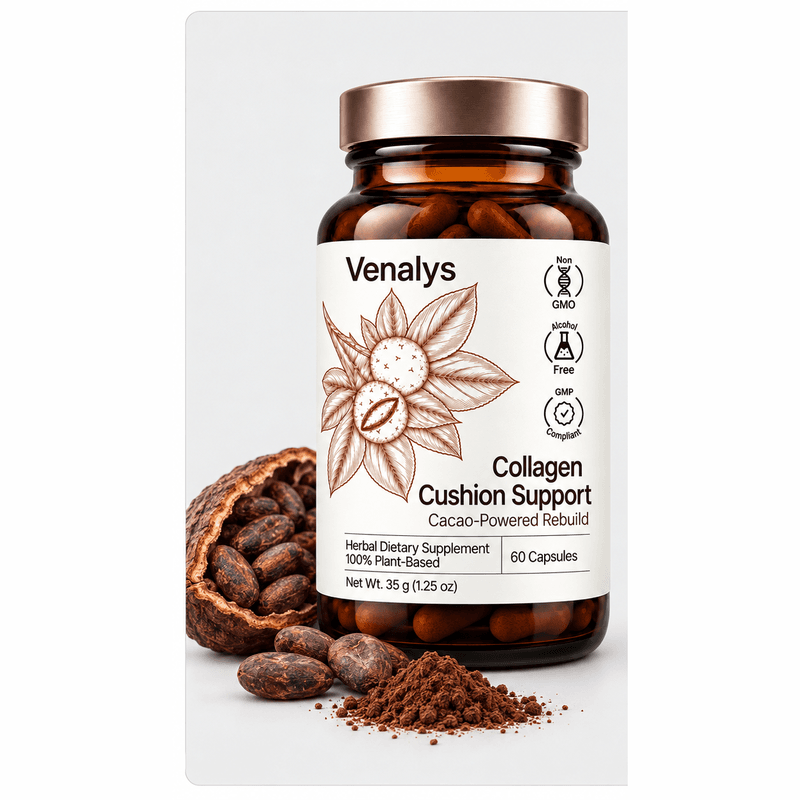
About Venalys
Venalys Collagen Cushion Support is a daily, plant based capsule made with cacao, horse chestnut, butcher's broom, soft psyllium and chicory root. It is formulated to support healthy vein tone and comfortable, regular bowel movements.†
Learn more about Venalys†These statements have not been evaluated by the Food and Drug Administration. This product is not intended to diagnose, treat, cure, or prevent any disease.
FAQs
What is the biggest enemy of hemorrhoids?
Straining, usually from hard stools and long sitting on the toilet. Fiber and water take most of that strain away.
What drink helps hemorrhoids?
Plain water, mostly. It gives fiber something to hold. Prune juice can help some people with constipation.
What foods help hemorrhoids?
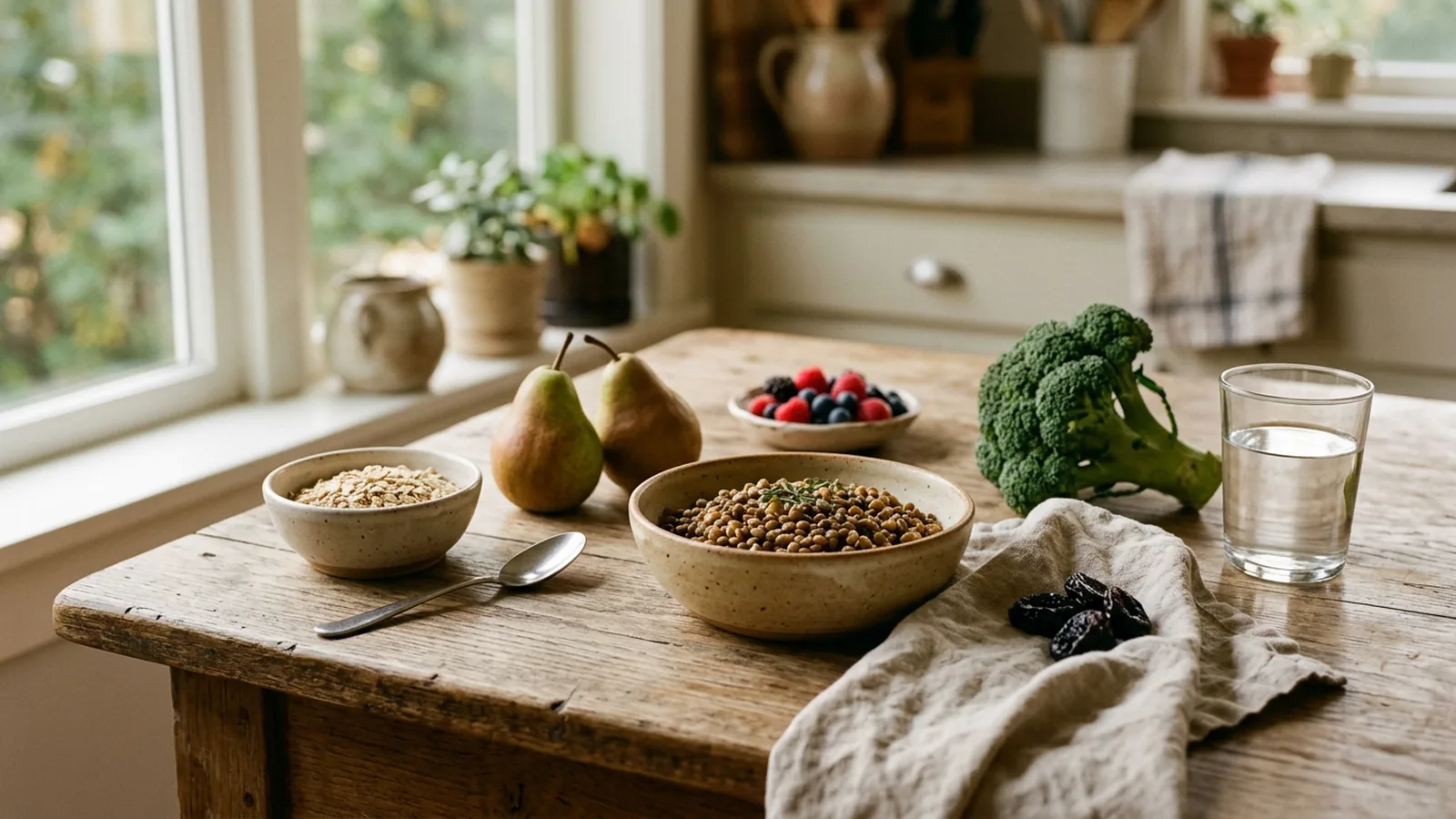
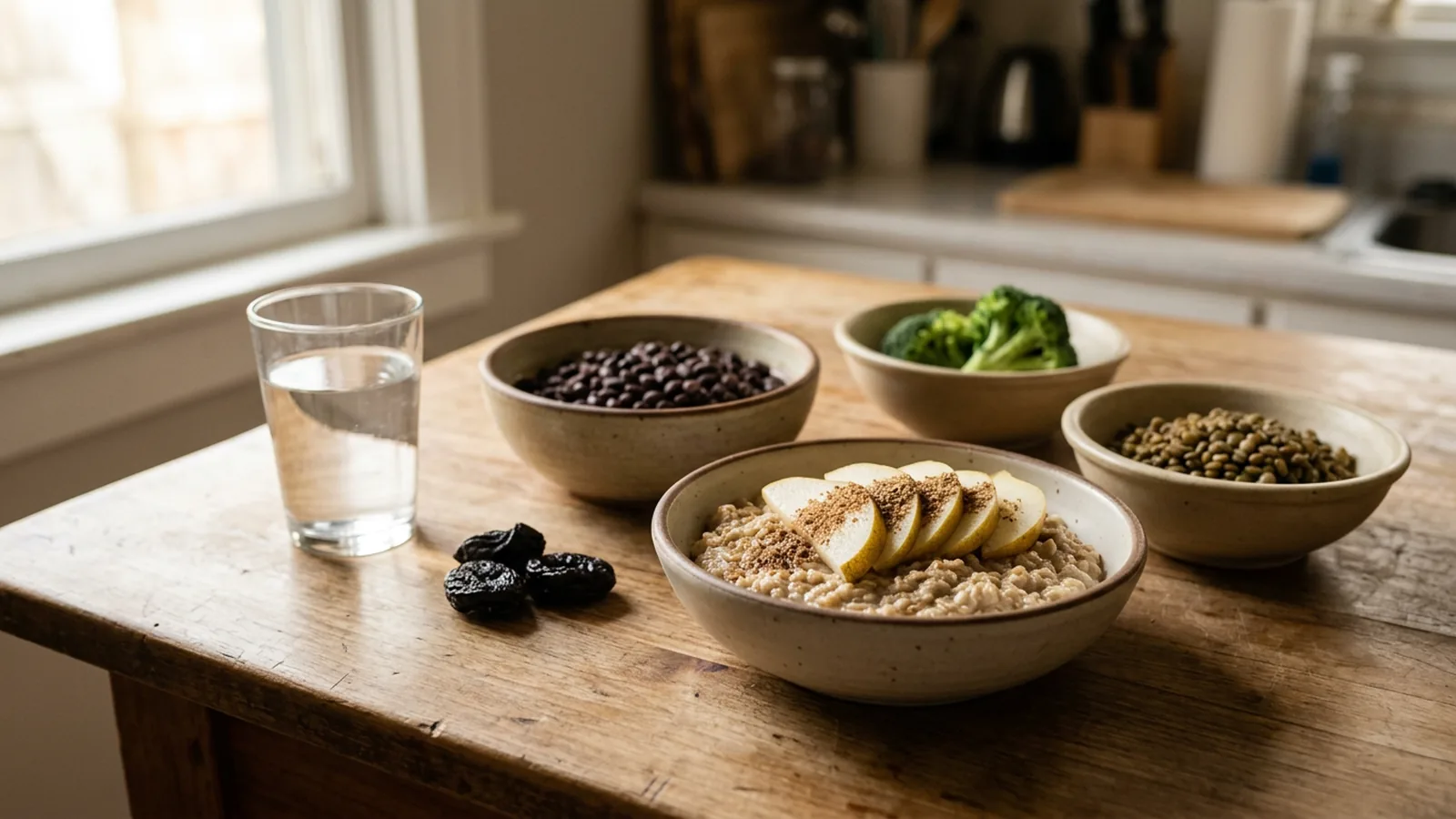
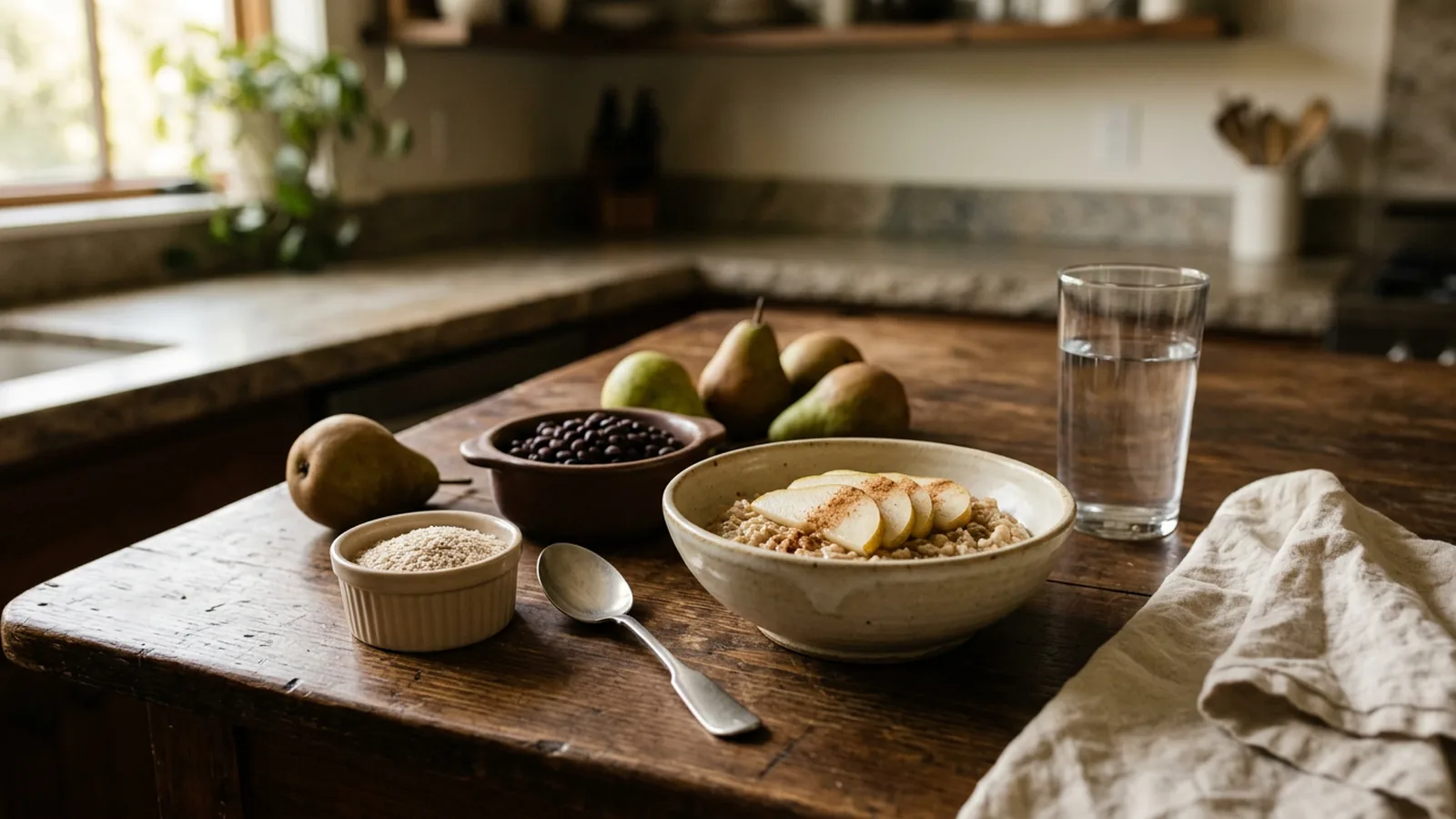
Oats, beans, lentils, pears, apples, berries and greens add fiber. A daily psyllium supplement makes it steady.