

Table of Contents
Most people need about 2 to 4 weeks after a hemorrhoidectomy before they're back to their full activities, and the first week is the hardest. That's the honest picture of recovery from this kind of hemorrhoid treatment: sore, slow, but it gets better day by day.
Right now you may be planning your whole day around the next bowel movement. You sit on the edge of the couch. You eye the bathroom door like it's a test. That's normal. The wounds sit right where stool has to pass.
The operation itself has its own page, and so does the question of whether it was worth it. This page is about what comes after: the days, the pain, the bathroom, the care at home and the signs that mean you should call.
Hemorrhoidectomy recovery at a glance
Every recovery is different, but most follow the same shape. Dr. Albert Chung, a board certified colorectal surgeon in Orange County, California, describes the pain this way: "it starts at the maximum on the day of surgery and then it slowly creeps down day by day." Each bowel movement adds a bump on top of that slow slide.
| When | What's common |
|---|---|
| Day of surgery | Numbing medicine wears off. You go home with a pain plan. |
| First 2 days | Surgeons want a first bowel movement. It's often the hardest moment. |
| First week | Pain and a full feeling in the bottom are expected. Some spotting and discharge. |
| Around 2 weeks | Follow up visit with your surgeon. Most days feel easier. |
| 2 to 4 weeks | Many people are back to their full activities. |
A 2018 review in American Family Physician confirms that pain and a feeling of anal fullness are expected in the first week.
How long recovery takes
Hemorrhoids operation recovery
Recovery after hemorrhoid surgery happens in two layers. On the outside, the wounds need time to close. On the inside, your bowel has to get back to a soft, regular rhythm after anesthesia and pain pills slowed it down. Most of your work at home serves the second layer: soft stools, water, short bathroom visits and walking. Your surgeon handles the first with the pain plan and checkups.
Recovery time for hemorrhoids surgery
The American Society of Colon and Rectal Surgeons says it may take up to 2 to 4 weeks to get back to your full level of activities. That's a range, not a promise. Ask your surgeon how much time off work to plan, add a few spare days, and let your surgeon set the date you return.
Recovering from hemorrhoidectomy, week by week
Week one is about getting through. Take the pain medicine as written, keep stools soft, soak, rest, walk a little. Week two usually feels more like living again. Sitting gets easier. In weeks three and four, you add back normal days. If any week feels worse than the one before, that's not the usual pattern, so call your surgeon.
1 year after hemorrhoidectomy
A year out, most people barely think about it. The American Society of Colon and Rectal Surgeons says it's uncommon to have any significant return of hemorrhoids after the operation. American Family Physician lists a few later effects some people notice, like skin tags or a narrowed opening. What you do each day by then matters more than the surgery did.
Pain and comfort at home
How to relieve pain after hemorrhoid surgery
Start with the plan your surgeon wrote, and take it on schedule, not when the pain is already high. The American Society of Colon and Rectal Surgeons says pain medicine is usually a mix of narcotic and non narcotic medicine. Numbing blocks given during surgery help a lot, too: American Family Physician reports they have greatly reduced the pain after hemorrhoidectomy.
Can I use lidocaine after hemorrhoidectomy
Maybe, but ask first. Some surgeons use numbing creams after this operation. The colon and rectal surgeons at Los Angeles Colon and Rectal Surgical Associates say they sometimes use "topical therapy, um numbing medicines to also help the recovery." What you can put on fresh wounds, and when, depends on your surgery. American Family Physician adds that a prescription nitroglycerin ointment has the strongest evidence for pain after this surgery.
Sitz bath after hemorrhoidectomy
A sitz bath means sitting in a few inches of warm water. The American Society of Colon and Rectal Surgeons says soaking 2 to 3 times a day for 10 to 15 minutes can be quite helpful. The Los Angeles surgeons add a timing tip: "especially right after a bowel movement." One more use most people never hear about: if you're struggling to pee, try in the warm bath.
How to sit after hemorrhoidectomy
Sit for short stretches at first. Lower yourself slowly, and shift your weight from one side to the other instead of landing straight on the sore spot. A soft pillow on a firm chair is often easier than a deep, sagging couch. Then get up. Dr. Chung tells his patients, "You need to be moving around, walking. You can climb stairs. Those are all safe to do."
Swelling after hemorrhoidectomy
Swelling is part of the first weeks. It can feel like a hemorrhoid is still there, or came right back. In most cases it's tissue that's still settling. The Los Angeles surgeons sometimes prescribe "ice packs to decrease swelling." If the swelling grows, turns hard and very painful, or comes with fever, call your surgeon that day.
Itching after hemorrhoidectomy
Itching can show up in the weeks after surgery. The area stays damp from discharge, warm water and frequent wiping, and damp skin gets irritated. Pat dry, don't rub. Dr. Chung suggests a folded gauze pad held between the cheeks so "the skin it stays dry and you avoid irritation." Ask your surgeon before you put any cream on it.
Bowel movements and food
Pooping after hemorrhoidectomy
The first bowel movement is the one everyone fears. The American Society of Colon and Rectal Surgeons says most colon and rectal surgeons recommend having a stool within the first two days, with laxatives if that doesn't happen. Dr. Chung is direct about it: "by two days if you have not pooped, give your surgeon a call." Don't hold it in. Don't push hard either. Soft stool, slow breath, and a warm soak afterward.
What to eat after hemorrhoidectomy
You don't need a special diet. The Los Angeles surgeons tell patients: "first eat normally. You don't have to be on just a liquid diet." Think soups, fruit, vegetables and easy foods, in smaller meals for the first few days while your gut wakes up. The American Society of Colon and Rectal Surgeons advises a high fiber diet, a fiber supplement and more liquids. Ask your surgeon how fast to add fiber back.
Diarrhea after hemorrhoidectomy
Loose stools can happen, often when softeners or laxatives overshoot. They're hard on fresh wounds, and they're harder to hold. Dr. Chung says that after this surgery, "you can have incontinence to either one of these textures," liquid or solid. Call your surgeon to adjust your medicines rather than stopping everything on your own. The NIH says to get care right away for severe anal pain and bleeding, especially with diarrhea or fever.
Constant urge to poop after hemorrhoidectomy
Many people feel like they're never done, even right after going. American Family Physician says a feeling of anal fullness is expected in the first week. Dr. Chung explains that swollen nerves just above the opening send false "something's there" signals, and that this, along with small leaks, should pass: "both will get better to the point that they should both go away." Don't sit and strain to answer it.
How long after hemorrhoidectomy can I drink alcohol
There's no single date. Ask your surgeon, especially while you're taking prescription pain medicine. Keep one more thing in mind. The American Society of Colon and Rectal Surgeons notes that caffeinated drinks and alcohol tend to be dehydrating and don't count toward your daily fluids. So when you do have a drink, have water with it.
Bleeding, discharge and lumps
Hemorrhoidectomy discharge
Expect some wet spots in the first weeks. A little blood, a clear or yellowish fluid, sometimes thicker drainage. A folded gauze pad or thin pad keeps your clothes clean and your skin dry, and you change it as often as you need. Call your surgeon if the discharge smells bad, turns heavy, or comes with fever and rising pain.
Lump after hemorrhoidectomy
A lump after surgery is usually swelling that hasn't gone down yet. Sometimes a small flap of skin stays once things settle, which is a skin tag and has its own page. American Family Physician also lists a clotted outside hemorrhoid among early problems after surgery. So a hard, very painful lump that shows up suddenly deserves a call that day, not a wait and see.
Still bleeding 3 months after hemorrhoidectomy
Spotting in the first weeks is common. Bleeding three months later is not something to sit on. American Family Physician lists late bleeding among later complications. And the American Cancer Society reminds people that rectal bleeding can come from other causes, including colorectal cancer, so don't assume it's the surgery. See your surgeon or doctor and let them look.
Post hemorrhoidectomy infection
Infection is uncommon, but it's one of the things to watch for. American Family Physician lists an abscess and an infection that spreads (sepsis) as rare problems that must be caught early. Watch for fever, chills, pain that keeps getting worse after the first days, a hot red area, trouble peeing, or pus with a bad smell. Any of those is a same day call.
Getting back to your life

How long after hemorrhoidectomy can I lift weights
Wait for your surgeon's okay. Heavy lifting means bearing down, the same push you're trying to avoid on the toilet, and it presses on fresh wounds. The American Society of Colon and Rectal Surgeons says getting back to your full level of activities may take up to 2 to 4 weeks. Walking first, light exercise next, heavy weights last.
Can you fly after hemorrhoid surgery
Ask your surgeon before you book. A flight means a long sit, tight seats, and being far from the person who did your surgery during the weeks you're most likely to call. If you have to travel, pick an aisle seat, stand up and walk when you can, and pack your pads, softeners and pain plan. Dr. Chung points out that walking "prevents blood clots."
Chances of hemorrhoids coming back after surgery
They're low after a classic hemorrhoidectomy. The Cleveland Clinic Journal of Medicine says the return rate after cutting them out is lower than with any other approach, and the American Society of Colon and Rectal Surgeons calls significant return uncommon. Still, the habits that made them can make new ones.
How to prevent stenosis after hemorrhoidectomy
Stenosis means the opening gets narrow from scarring. The Cleveland Clinic Journal of Medicine calls it rare and says careful surgical technique, like leaving normal skin between the cuts, helps prevent it. Your part is to keep your follow up visits and to tell your surgeon early if stools get harder to pass weeks after surgery, or if passing them starts to hurt again.
Warning signs: when to call your surgeon
Pain, spotting and discharge are expected. These are not. Call your surgeon, or go to the ER if you can't reach them, when:
- you can't pee. The American Society of Colon and Rectal Surgeons warns that waiting can damage the bladder.
- you haven't had a bowel movement within 2 days.
- you bleed heavily, pass clots, or feel dizzy or weak.
- you have a fever or chills.
- your pain gets worse instead of better, even with your medicine.
- you have a hard, very painful new lump, or a red, hot area.
The NIH adds that severe anal pain with bleeding from the rectum needs medical care right away.
What the weeks after surgery teach you
Here's something people notice in recovery. The things that get you through it, soft stools, water, short bathroom visits, walking, are the same things that take pressure off that area for good. The operation removed the tissue that had slid down. It didn't change the hard mornings, the straining or the long days in a chair that pushed it there.
That's why surgeons keep giving the same advice after the wounds have closed. The American Society of Colon and Rectal Surgeons advises fiber and plenty of liquids after surgery, and those habits still matter a year later. Keep the ones you built in these weeks.
Sources
- American Society of Colon and Rectal Surgeons, Hemorrhoids expanded information
- Mott and colleagues, American Family Physician, 2018, Hemorrhoids: Diagnosis and Treatment Options
- Cengiz and Gorgun, Cleveland Clinic Journal of Medicine, 2019, Hemorrhoids: A range of treatments
- NIDDK (NIH), Treatment of hemorrhoids
- American Cancer Society, Colorectal cancer signs and symptoms
- Your Friendly Proctologist, Hemorrhoidectomy recovery: Dr Chung's 6 most important things to know (YouTube)
- Your Friendly Proctologist, Fecal Incontinence after hemorrhoidectomy (YouTube)
- LAColonRectal, What To Expect After Hemorrhoid Surgery (YouTube)
This article is for general information and is not medical advice. If you have rectal bleeding, severe pain or a change in your bowel habits, see your doctor.
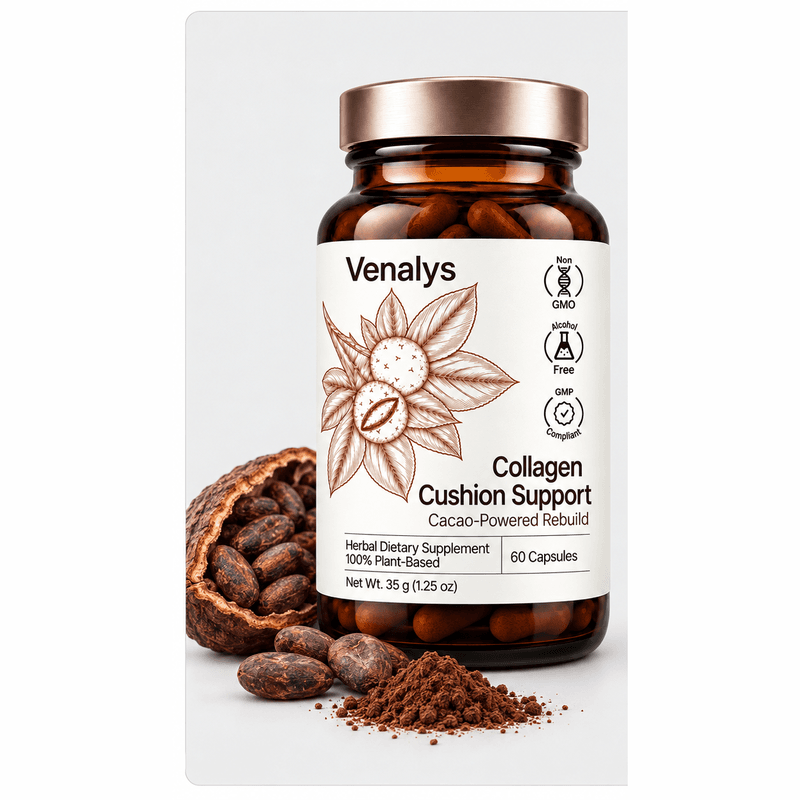
About Venalys
Venalys Collagen Cushion Support is a daily, plant based capsule made with cacao, horse chestnut, butcher's broom, soft psyllium and chicory root. It is formulated to support healthy vein tone and comfortable, regular bowel movements.†
Learn more about Venalys†These statements have not been evaluated by the Food and Drug Administration. This product is not intended to diagnose, treat, cure, or prevent any disease.
FAQs
What are the worst days after hemorrhoid surgery?
For most people it's the first few days, especially around the first bowel movements. Pain usually eases a little each day after that. A week that gets worse instead of better is a reason to call your surgeon.
When can I expect my first bowel movement after hemorrhoid surgery?
Most colon and rectal surgeons want it within the first two days. Stool softeners help. If nothing has happened by day two, call your surgeon.
How long do you have to rest after a hemorrhoidectomy?
Rest a lot in the first days, but don't stay in bed. Short walks help your bowels move. Full activities may take up to 2 to 4 weeks.
What is the fastest way to recover from a hemorrhoidectomy?
Take your pain medicine on schedule, keep stools soft, soak in warm water after bowel movements, and walk a little every day. Call your surgeon early when something feels off.