
Table of Contents
Hemorrhoid pain usually comes from a hemorrhoid outside the opening, or from one inside that has slipped out. Most of it is an ache or soreness that gets worse when you sit or pass a stool, and it's one of the most common hemorrhoid symptoms.
You know the routine. You pick the hard chair over the soft couch, then shift to one side. You time your bathroom trips. You keep a cream in the drawer and hope tonight is better. And you wonder why some weeks it barely bothers you, and other weeks you can't sit through dinner.
The answer is in where the hemorrhoid sits. Inside and outside are wired very differently, and that explains almost every kind of pain on this page.
Why some hemorrhoids hurt and others don't
Everyone has hemorrhoids. They're soft pads of blood vessels at the end of the bowel. They only get a name when they swell, slide or bleed.
Inside hemorrhoids sit above a line where the skin changes. Up there, the nerves feel pressure, not sharp pain. Dr. Gary Hoffman, a colon and rectal specialist in Los Angeles, puts it simply in a patient video: "There are stretch receptors and itch receptors, but no pain receptors." That's why an inside hemorrhoid often bleeds without hurting.
Outside hemorrhoids sit under the skin around the opening. That skin is full of pain nerves. The NIH explains that outside hemorrhoids can cause itching, an ache or pain, "especially when sitting," and hard, tender lumps. An inside one can hurt too, once it slips out through the opening. That's called a prolapse.
- Inside, staying inside: pressure, a full feeling, bright red blood, little pain.
- Inside, slipped out: soreness, a soft bulge, discomfort until it goes back.
- Outside: itching, aching, a tender lump, pain when you sit.
Severe hemorrhoid pain
Bad pain that comes on fast is different from the usual ache. The most common reason is a blood clot inside an outside hemorrhoid. You feel a hard, tender lump, often bluish, that wasn't there yesterday. People describe it as a hot poker, and they can't sit, walk or sleep well.
Dr. Robert Shaffer, a gastroenterologist, describes this kind of clot as "extraordinarily painful" in a DocTalk LIVE interview, so bad that you "will not be able to sit down." A doctor can often take care of it, and the sooner the better. The clotted, or thrombosed, hemorrhoid has its own page on this site. If the pain is severe and you're also bleeding, the NIH says to get care right away.
Sharp pain: hemorrhoid or something else
A sharp, cutting pain during a bowel movement, followed by burning that lasts a while, doesn't always come from a hemorrhoid. A small tear in the lining, called a fissure, can feel that way. So can other problems a doctor needs to look at. Hemorrhoids more often ache, throb or itch. They don't usually cut. If sharp pain shows up every time you go, have it checked. Care for a tear and care for a hemorrhoid are not the same, so knowing which one you have saves you weeks of guessing.
Do hemorrhoids itch?
Yes. Itching is one of the most common complaints, and the NIH lists it among the signs of outside hemorrhoids. Inside ones can itch too. When they swell or slip, they can leave a little moisture on the skin around the opening, and that skin gets irritated. Then you wipe harder, the skin gets more raw, and the itch grows. Breaking that loop helps more than any single product. Clean gently with water, pat dry, and skip scented wipes and harsh soap. Hemorrhoids rarely cause itching alone, though, so read the next two parts.
Why hemorrhoids itch more at night
Lots of people say the itch gets worse at bedtime. A few things stack up. You're warm under the covers, and warmth with a little sweat irritates skin that's already sore. You're no longer busy, so you notice every tingle. And after a long day of sitting and walking, the area has taken a lot of rubbing. Keeping the skin clean and dry before bed, wearing loose cotton, and not scratching in your sleep can make a real difference. If the itch wakes you up most nights, tell your doctor.
Itching around your bottom: is it always a hemorrhoid?
No. Itching around the opening has many causes. Moisture, sweat, scrubbing too hard, strong soaps, scented paper, some foods and some skin conditions can all do it. Hemorrhoids are only one item on that list. If you don't have a lump, bleeding or a full feeling, the itch may have nothing to do with hemorrhoids at all. A doctor can tell the difference with a quick look, and that matters, because creams made for hemorrhoids won't help a skin problem and can sometimes make it worse.
When a hemorrhoid hurts with everyday moves
When a hemorrhoid hurts to sit
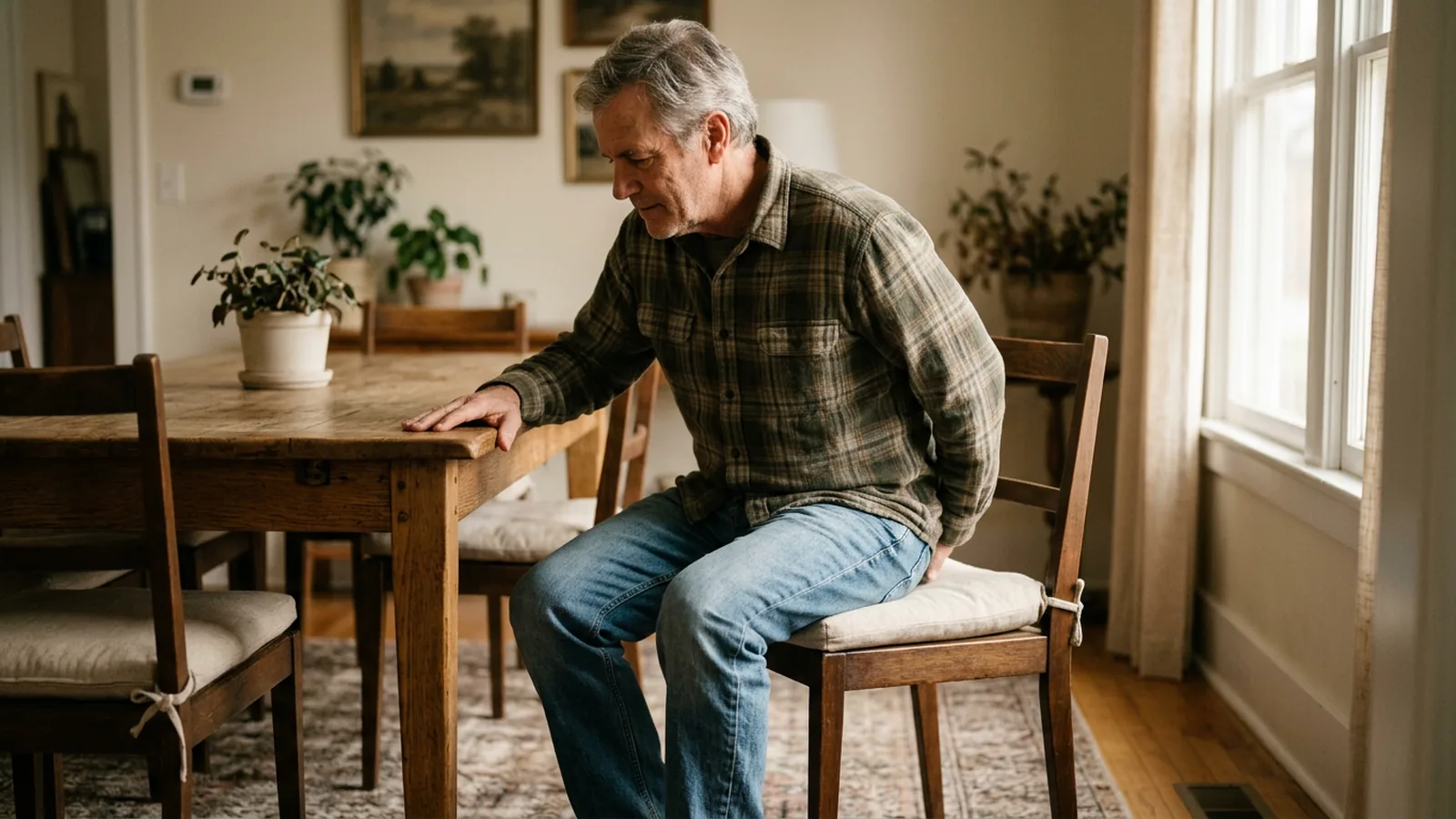
Sitting puts your weight right on the sore spot, and the NIH names sitting as the moment outside hemorrhoids hurt most. A hard chair, a long drive or a full day at a desk can turn a mild ache into a throb. Get up and move every half hour or so. Many people find a soft, flat pillow more comfortable than a ring cushion. And keep bathroom visits short. Sitting on the toilet while scrolling your phone adds pressure where you least need it.
When a hemorrhoid hurts to walk
Walking usually doesn't bother a small hemorrhoid. When it does, it's often because the lump is swollen or clotted, and each step rubs it between the cheeks. Loose underwear, a soft pad of folded gauze and slower steps can take the edge off. Walking is still good for you, because it keeps the bowels moving. But if every step hurts, or the lump is hard and getting bigger, that's a reason to call your doctor rather than wait it out.
When a hemorrhoid hurts when you cough
A cough, a sneeze or a laugh squeezes your belly hard for a second. That pressure pushes down on swollen tissue at the bottom, and you feel a jab. The same thing happens when you lift something heavy or strain. It's a sign the area is swollen, not a sign of damage. Treat the cough, keep your stools soft so you're not straining as well, and the jabs usually fade as the flare calms. A cough that lasts for weeks deserves its own visit to the doctor.
Pain around a bowel movement
Painful cramps before a bowel movement
Hemorrhoids sit at the very end of the bowel. They don't cause cramps higher up in your belly. Cramping before you go usually comes from the gut itself: gas, constipation, diarrhea or something you ate. It can feel connected, because the cramps and the hemorrhoid pain show up around the same trip to the bathroom. If cramps are new, keep coming back, or come with blood, fever or a change in your habits, see your doctor. The American Cancer Society notes that changes in bowel habits can have causes that need a closer look.
A large, painful bowel movement
A big, hard stool stretches the opening and scrapes swollen tissue on the way out. That's often when the worst hemorrhoid pain starts, and sometimes a little bleeding. Most doctors start with plain fiber. In the 2024 guideline from the American Society of Colon and Rectal Surgeons, as summarized in American Family Physician, fiber cut persistent hemorrhoid symptoms by 53%. Add it slowly, drink more water with it, and go when you feel the urge instead of holding it. Holding it makes the next stool bigger and harder.
Easing hemorrhoid pain at home
How to ease hemorrhoid pain
The NIH lists a short set of steps for home care:
- Sit in a few inches of warm water, called a sitz bath, several times a day.
- Take an over the counter pain reliever, such as acetaminophen or ibuprofen, as the label says.
- Use an OTC hemorrhoid cream, ointment or suppository.
- Eat more fiber, or take a fiber supplement such as psyllium, so stools stay soft.
Add short bathroom visits and no straining. Our hemorrhoid relief guide goes through each step in more detail.
Can you self treat hemorrhoids?
For a mild flare, often yes. Most people start at home with warm baths, soft stools and an OTC cream. But home care has a time limit. The NIH says doctors recommend OTC products for about one week. If you still have symptoms after a week, or the cream gives you a rash or dry skin, see your doctor. Self care is also not for bleeding you can't explain, a hard lump that keeps growing, or pain that stops you from sitting or sleeping. Those need a real exam.
Does witch hazel shrink hemorrhoids?
Not really. Witch hazel is a plant liquid used in many pads and wipes. It feels cool, and many people like it for the itch and sting on the outside skin. We didn't find a good study showing that it shrinks a hemorrhoid, and it doesn't reach the ones inside. Think of it as comfort for the skin. If you use it, try the alcohol free kind, and stop if it burns or causes a rash.
When the pain keeps coming back
A flare calms down when the swelling goes away. But if the pain returns every few weeks, the question isn't really this flare anymore. It's the tissue underneath. Harvard Health explains that the connective tissue that holds hemorrhoids in place can weaken with age. When it does, the cushions slide down more easily, and every hard stool or long day in a chair pushes them further. That's one reason flares can come more often as the years go by. If that sounds like you, our page on why hemorrhoids come back explains what drives the cycle and what you can change in your daily routine.
When to see a doctor about hemorrhoid pain
It's normal to feel embarrassed. Doctors who treat hemorrhoids see them every day, and an exam usually takes a few minutes. Call your doctor if:
- you still have pain or other symptoms after a week of home care
- you see blood from your rectum, even once
- you feel a hard, painful lump that keeps getting bigger
- your bowel habits change and stay changed
Get care right away if you have severe pain with bleeding, especially with belly pain, diarrhea or fever. The NIH lists that combination as a reason to go now. And never assume blood is just a hemorrhoid. The American Cancer Society explains that rectal bleeding can also be a sign of colorectal cancer, so let your doctor find the cause.
Sources
- NIDDK (NIH), Symptoms and causes of hemorrhoids
- NIDDK (NIH), Treatment of hemorrhoids
- Harvard Health Publishing, Hemorrhoids and what to do about them
- American Family Physician, 2025 summary of the ASCRS hemorrhoid guideline
- American Cancer Society, Signs and symptoms of colorectal cancer
- LAColonRectal, How Long Do Hemorrhoids Last? (YouTube)
- DocTalk LIVE, Abdominal Pain and Hemorrhoids with Dr. Robert Shaffer (YouTube)
This article is for general information and is not medical advice. If you have rectal bleeding, severe pain or a change in your bowel habits, see your doctor.
About Venalys
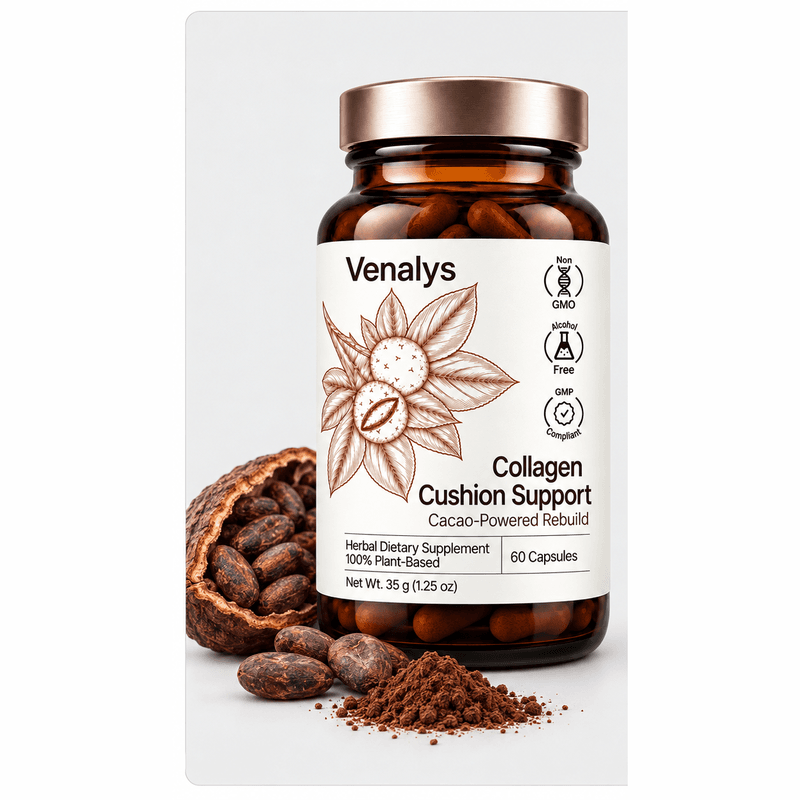
Venalys Collagen Cushion Support is a daily, plant based capsule made with cacao, horse chestnut, butcher's broom, soft psyllium and chicory root. It is formulated to support healthy vein tone and comfortable, regular bowel movements.†
Learn more about Venalys†These statements have not been evaluated by the Food and Drug Administration. This product is not intended to diagnose, treat, cure, or prevent any disease.
FAQs
How long does hemorrhoid pain last?
A mild flare often eases within a few days of soft stools and less sitting. If you still hurt after a week of home care, see your doctor.
Why does my hemorrhoid hurt more when I stand?
A swollen hemorrhoid can feel heavy and sore after a long time on your feet. Many people find that short walks and breaks feel better than standing still.
Is ice or heat better for hemorrhoid pain?
Warm sitz baths are the step the NIH lists for pain. Some people also like a cold pack wrapped in a cloth for a few minutes. Never put ice right on the skin.
Can a hemorrhoid hurt without a lump?
Yes. A swollen hemorrhoid inside can cause pressure or a full feeling with nothing you can see or feel. Sharp pain without a lump may be a fissure, so have it checked.
Should I go to the ER for hemorrhoid pain?
Go now if the pain is severe and you're bleeding, or if you also have fever or belly pain. Otherwise, call your doctor for an appointment.