
Table of Contents
- What to do when hemorrhoids flare up
- Why a flare happens
- How long a flare lasts and when to call your doctor
- What a hemorrhoid is and where it sits
- Inside, outside, grades and size
- What a flare feels like
- Hemorrhoids in women and in men
- Can a hemorrhoid burst or be dangerous
- Daily life during a flare
- Getting checked and getting help
- Sources
- About Venalys
When hemorrhoids flare up, make your next bowel movements soft, stop straining, sit in warm water and keep the area clean and dry. Those steps take pressure off swollen tissue while it settles, and this page also walks through the other hemorrhoid symptoms people worry about, from itching to bleeding.
You know the signs. You sit down and shift to one side. You feel a soft bump when you wipe. You plan your day around the nearest bathroom. And you wonder if you should push through, wait it out, or call someone.
Here's what's going on. Cleveland Clinic puts it simply: we're all born with hemorrhoids. They're soft cushions of blood vessels at the end of the bowel. A flare is the moment pressure pushes them past their limit, so they swell, itch or bleed.
What to do when hemorrhoids flare up
The goal for the next few days is simple. Less pressure, less rubbing, less time on the toilet.
- Make the next stool soft. Drink water through the day and eat fiber at every meal: oats, beans, pears, vegetables. Cleveland Clinic suggests 25 to 38 grams of fiber a day. Psyllium, the soft kind, can help you get there. Add it slowly so you don't bloat.
- Don't push. Go when you feel the urge. If nothing happens, get up and try later. Leave your phone outside the bathroom.
- Sit in warm water. A shallow warm bath or a sitz bath, a few times a day, can calm the itch and relax the muscles. The NIH page on hemorrhoid treatment lists warm soaks among the basics of home care.
- Clean gently. Rinse with water, then pat dry. Skip scented wipes and rough paper.
- Use simple relief. A cream or witch hazel pad from the drugstore can calm itching. A pain reliever like acetaminophen can help, used as the label says.
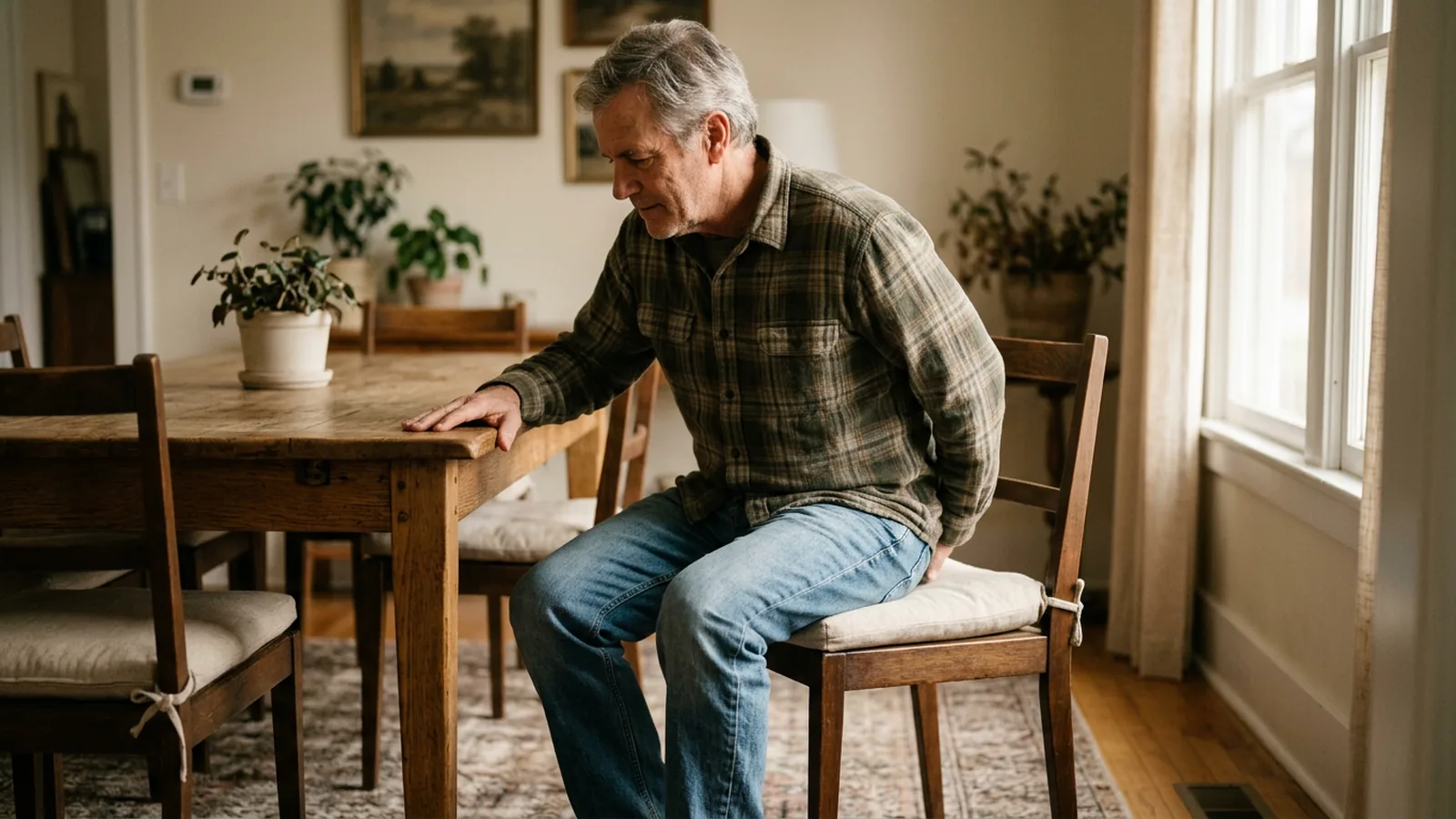
- Take the weight off. Lie down on your side for a while. Use a soft cushion on hard chairs, and stand up often on long drives.
Dr. Gary Hoffman, a colon and rectal specialist in Los Angeles, sums it up in a patient video: "If you take care of your bottom side, it will take care of you." That means soft stool, short bathroom visits, water and regular movement, even after the flare is gone.
Why a flare happens
Hemorrhoids aren't a disease you catch. In the same video, Dr. Hoffman explains that "Hemorrhoids are present from birth and they cushion anything that goes out of the anal canal." They fill with blood and empty again, all day long.
A net of connective tissue holds those cushions in place. Harvard Health explains that this supporting tissue can weaken with age. When it does, the same hard stool or long drive that did nothing at 30 can make the cushion slide down and swell at 58. That's also why flares come back, a topic we cover on its own page.
How long a flare lasts and when to call your doctor
Many flares calm down within days once the pressure stops. Cleveland Clinic advises seeing a doctor if bleeding is heavy or if home care brings no improvement after a week.
Call your doctor sooner if you notice:
- bleeding, especially if you've never had it checked
- black or tarry stool
- a hard, very painful lump
- fever, or pain that keeps getting worse
- a change in your bowel habits that lasts
The American Cancer Society warns that rectal bleeding can come from causes other than hemorrhoids, including colorectal cancer. Harvard Health says to see a doctor for bleeding, especially after 45. Don't guess. Get it checked.
What a hemorrhoid is and where it sits
What a hemorrhoid is
A hemorrhoid is a cushion of small blood vessels, held in place by soft tissue, at the very end of your bowel. Everyone has them. The word usually means the moment they cause trouble: swelling, itching, bleeding, or a bulge you can feel. On a diagram, they look like soft pads around the inside of the opening that help seal it shut.
Where a hemorrhoid is located
Internal hemorrhoids sit inside the anal canal, where you can't see them. External ones sit under the skin around the opening. People search for hemorrhoids on the buttock, the butt cheek or the perineum, the skin between the opening and the genitals. A hemorrhoid stays right at the opening. A lump farther out is something else, like a cyst or a boil, and worth showing your doctor.
How common hemorrhoids are
Very common. A review in American Family Physician reports that hemorrhoid symptoms show up most often between ages 45 and 65. Common doesn't mean you have to live with flares, though.
Inside, outside, grades and size
External hemorrhoids
External hemorrhoids sit outside, under the skin. You can feel them as a soft bump when you wipe. Because that skin has many nerves, they can itch and hurt more than internal ones, mostly when you sit. A sudden hard, purple and very painful lump is usually a blood clot inside one. We cover that on a separate page about thrombosed hemorrhoids.
Grades of internal hemorrhoids
Doctors grade internal hemorrhoids by how far they slip down. In the first degree, they stay inside and may bleed a little. In the second, they come out when you push and go back in by themselves. In the third, you have to push them back in. In the fourth, they stay out. The grade helps your doctor choose the next step.
How big hemorrhoids get
Most hemorrhoids are small. A large one can feel huge because the area is so sensitive. If one keeps getting bigger over weeks, or won't go back in, that's a reason to see your doctor. Only an exam tells you how serious it is.
Color and dark spots
Swollen hemorrhoids often look pink, red or purple, because they're full of blood. A dark blue or black spot can mean a small clot. That can be very sore, but it's common. A dark spot that hurts a lot, or one that's still there after a few weeks, deserves a quick visit to your doctor.
What a flare feels like
Itching, pressure and that full feeling
A flare often feels like itching, burning, or a heavy pressure when you sit. Many people feel like they still have to go, even right after a bowel movement. That full feeling comes from swollen tissue inside. Dr. Hoffman explains that inside hemorrhoids "There are stretch receptors and itch receptors, but no pain receptors." So inside flares mostly itch and press, while sharp pain points to the outside.
Odor, discharge and pus
A swollen hemorrhoid can make it hard to clean well, and a little mucus can leak out. That can leave an odor, which is normal and goes away with gentle rinsing. Pus is different. Thick yellow fluid, warmth, a growing painful lump or a fever can mean an infection or an abscess. See your doctor the same day.
Feeling sick and the worst day
Hemorrhoids don't make you sick all over. If you have fever, chills or you feel ill, tell your doctor, because something else may be going on. As for the worst day, it's usually the first two or three days of a flare, or of a clot. After that, most people notice it slowly getting easier.
Hemorrhoids in women and in men
Hemorrhoids in women
Yes, women get hemorrhoids, and the symptoms are the same as in men: itching, a soft bump, pressure, or bright red blood on the paper. Women sometimes mistake that blood for something else, or something else for a hemorrhoid. If you see blood and you're not sure where it's coming from, ask your doctor. The care for a flare is the same for everyone.
Hemorrhoids in men
Men often wait longer to ask for help. Long hours driving, sitting at a desk, or lifting at work add daily pressure. Gay men get hemorrhoids for the same reasons as anyone else. If sex is painful during a flare, wait until it settles. And no, a hemorrhoid isn't a turn off for most partners. It's common, and it's nothing to be ashamed of.
Can a hemorrhoid burst or be dangerous
Can a hemorrhoid burst or pop
An external hemorrhoid with a clot can break open by itself and bleed for a short while. It looks scary, but often the pressure eases after that. Never pop or pierce one yourself. You could cause an infection or heavy bleeding. If a clot hurts a lot, a doctor can open it safely in the office. Press clean gauze on any bleeding and call your doctor.
Can hemorrhoids kill you
Hemorrhoids themselves are part of your normal body. The real danger is assuming. The American Cancer Society explains that hemorrhoids can cause signs that look like colorectal cancer, such as blood in the stool. So bleeding is a sign to get checked, not a sign to panic. Heavy bleeding, dizziness or a lot of blood at once needs care right away.
Are hemorrhoids contagious
No. You can't catch hemorrhoids from a partner, a toilet seat or a towel. Everyone is born with this tissue, and a flare comes from pressure, not germs. If you notice warts, sores or blisters in the area, that's something different, and some of those can spread. Show them to your doctor.
Daily life during a flare

Exercise and lifting
Walking is one of the best things you can do. It keeps your bowels moving. Heavy lifting is different. Holding your breath and pushing raises pressure on the cushions. During a flare, go lighter, breathe out as you lift and skip heavy squats for a few days. We cover lifting on its own page.
Yogurt, enemas and other home habits
Yogurt isn't a hemorrhoid food, good or bad. What matters is your whole day: enough fiber, enough water, fewer heavy processed meals. Enemas are a different story. Putting a tip into a swollen area can hurt and irritate it. Don't use one during a flare unless your doctor tells you to.
Embarrassment and stress
Almost everyone feels a little embarrassed to talk about this. Doctors don't. They see it every day. Stress doesn't create a hemorrhoid, but hard weeks change how you eat, drink and sleep, and that can bring on constipation. If your flares follow busy weeks, look at what those weeks do to your habits.
The worst things to do
The worst things are straining, scrolling on the toilet, scrubbing with dry paper, holding it in, and ignoring bleeding. Lifting heavy weights while you hold your breath is another one. To avoid the next flare, do the opposite: soft stool, short visits, gentle cleaning and a walk every day.
Getting checked and getting help
How to know if it's a hemorrhoid
You can't be sure on your own. A doctor will ask about your symptoms, look at the area and may gently check inside with a gloved finger or a small scope. The American Family Physician review says that people over 40 with bleeding should have a colonoscopy, unless they had a normal one in the last 10 years. It takes minutes.
Who treats hemorrhoids
Start with your primary care doctor. Many flares end there. If you need more, you may see a gastroenterologist, a doctor for the gut, or a colorectal surgeon, who handles office procedures and surgery. You don't need to start with a specialist. Your primary care doctor can tell you if you need one.
Medicines, foams and home products
The drugstore has creams, foams, wipes and suppositories. Some numb the area, some calm the itch, some contain a mild steroid. Use them as the label says. Flavonoid pills are also sold for hemorrhoids, but the American Family Physician review notes that they aren't approved by the FDA for that use. Products not made for this skin, like chest rubs, can sting. Leave them out.
Removal and office procedures
Yes, you can get hemorrhoids removed. If home care doesn't help, the NIH explains that doctors can offer office procedures, like rubber band ligation, and surgery for larger ones. Banding and surgery each have their own pages here. Many people never need either. They need a better routine.
How other cultures handle a flare
People ask how the Amish or the Japanese handle hemorrhoids. The details change from home to home, but the basics are the same everywhere. Soft stools, gentle cleaning, warm water and no straining. Those habits work in any home.
Sources
- Harvard Health Publishing, Hemorrhoids and what to do about them
- Cleveland Clinic, Hemorrhoids
- NIDDK (NIH), Treatment for hemorrhoids
- Mott, Latimer and Edwards, American Family Physician, 2018, Hemorrhoids: Diagnosis and Treatment Options
- American Cancer Society, Signs and symptoms of colorectal cancer
- LAColonRectal, How Long Do Hemorrhoids Last? (YouTube)
This article is for general information and is not medical advice. If you have rectal bleeding, severe pain or a change in your bowel habits, see your doctor.
About Venalys
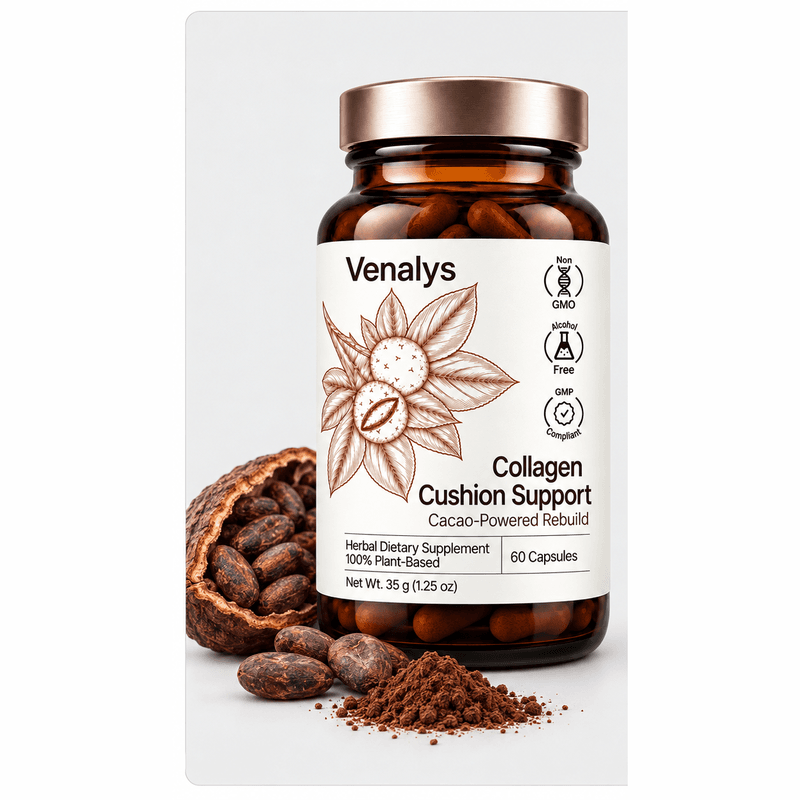
Venalys Collagen Cushion Support is a daily, plant based capsule made with cacao, horse chestnut, butcher's broom, soft psyllium and chicory root. It is formulated to support healthy vein tone and comfortable, regular bowel movements.†
Learn more about Venalys†These statements have not been evaluated by the Food and Drug Administration. This product is not intended to diagnose, treat, cure, or prevent any disease.
FAQs
What shrinks hemorrhoids fastest?
There's no instant trick. Soft stools, warm soaks and less time sitting let the swelling go down. If a flare doesn't improve within a week, your doctor can offer office options.
Why do hemorrhoids suddenly flare up?
Usually after extra pressure: a hard stool, a bout of diarrhea, a long drive or a heavy lift. Weaker supporting tissue makes it easier for that pressure to cause a flare.
How long will a hemorrhoid flare up last?
Many flares settle within days with good home care. A clot can take longer. If you see no improvement after a week, see your doctor.
Does laying down help hemorrhoids?
Yes, it takes pressure off. Lie on your side for a while, especially after a bowel movement. It won't change the cause, but it can make the evening easier.
What's the worst day of a hemorrhoid?
For most people, it's the first two or three days of a flare. Pain that keeps getting worse after that is a reason to call your doctor.
What gets mistaken for a hemorrhoid?
A small tear called a fissure, a skin tag, a wart, an abscess, polyps and, rarely, cancer. That's why any bleeding or a lump that won't go away deserves an exam.